


Earth 2026
EARTH 2026
2nd Edition
Transformative Experiences and Innovation for Sustainable Food and Tourism
Faculty of Food and Tourism, Transilvania University of Brașov
Strada Castelului nr. 148, Brașov, Romania
19th – 20th November 2026
About the Conference
The way value is created in tourism, food systems and hospitality is undergoing a fundamental shift: from staging experiences to enabling transformations.
Building on the legacy of The Experience Economy by B. Joseph Pine II and James H. Gilmore, which positioned experiences as a distinct and dominant economic offering, many industries, including tourism and hospitality, have embraced the paradigm of the experience economy. Today, a new stage is emerging, in which organizations no longer aim solely to stage memorable moments, but to guide individuals through meaningful changes in their lives, behaviors and identities.
Marking the publication of The Transformation Economy (2026) by B. Joseph Pine II, the second edition of the EARTH Conference pays tribute to this influential line of thinking and explores its implications for food, tourism and hospitality. EARTH 2026 invites academics, researchers, practitioners and industry leaders to examine the emerging paradigm of transformative experiences and to contribute to shaping its theoretical foundations and practical applications.
Following the first edition, EARTH 2025: Experiences and Innovation for Sustainable Food and Tourism, which focused on designing and innovating sustainable experiences, EARTH 2026 advances the conversation by asking a deeper question: How can food, travel and hospitality become catalysts for positive and lasting change in the lives of individuals, the practices of organizations and the futures of destinations?
In this emerging paradigm, food, tourism and hospitality are increasingly understood not only as sources of enjoyment, but as powerful drivers of behavioral and lifestyle change. They can enhance physical and mental well-being, foster sustainability awareness and cultivate a sense of shared responsibility for the planet. From sustainable gastronomy and regenerative destination management to smart technologies, mobility systems and low-impact infrastructure, this shift is enabled through interdisciplinary approaches that connect people, places and systems.
EARTH 2026 provides a multidisciplinary platform for dialogue at the intersection of food systems, gastronomy, tourism, hospitality, technology, mobility and design. The conference welcomes conceptual, empirical and applied research, as well as case studies and practice-based contributions from academia, industry and public institutions. We particularly encourage work that explores how sustainable practices, digital innovation, behavioral insights and systemic thinking can support more resilient, inclusive and environmentally responsible tourism ecosystems.
By bridging academia and industry, EARTH 2026 aims to inspire forward-looking research and actionable solutions that not only enhance experiences, but also generate meaningful and lasting transformations of individuals, organizations and destinations alike.
Conference Sections
Section 1. Sustainable Food Systems, Gastronomy and Culinary Innovation
From local resources to responsible and health-oriented food experiences
This section explores the evolving role of food systems and gastronomy in supporting sustainability, innovation and well-being. It welcomes contributions on the valorization of local resources, responsible food production and consumption, and the development of meaningful culinary experiences that connect culture, health and the environment.
- Valorization of local biodiversity and native ingredients in gastronomy
- Innovations in food and beverage processing and product development
- Food safety, quality and circular economy practices in HoReCa
- Nutrition, well-being and sustainable menu design as pathways to behavioral change
- Short food supply chains, local sourcing and emerging technologies in agri-food systems
- Culinary education, food literacy and transformative gastronomic experiences
- Food tourism and gastronomic storytelling rooted in local heritage
- Food policy, urban food environments and responsible consumer choices
Section 2. Transformative Tourism and Hospitality Experiences
Consumer behavior, well-being and sustainable destination value
This section focuses on the shift from experience-based to transformation-oriented tourism and hospitality. It examines how travel, hospitality services and food-related experiences can generate meaningful and lasting changes in consumer behavior, well-being and sustainability awareness. Contributions are encouraged to explore how value is co-created through transformative experiences at individual, organizational and destination levels.
- Transformative tourism and meaningful travel experiences
- Regenerative tourism and hospitality for people and planet
- Consumer behavior, psychology and behavioral change in sustainable contexts
- Well-being tourism, lifestyle change and mental health through travel and food
- Experience design and co-creation of value in tourism and hospitality
- Destination branding and storytelling for transformative experiences
- Sustainable and regenerative business models and value creation in tourism and hospitality
- Education, communication and interpretation for responsible and mindful travel
- Transformative learning in tourism and hospitality education and training
Section 3. Smart Tourism, Mobility and Sustainable Design
Digital innovation, transport systems and low-impact destinations
This section addresses the role of digital transformation, smart technologies, mobility and sustainable design in shaping future tourism and hospitality systems. It explores how innovation in infrastructure, transport and digital solutions can enhance efficiency, reduce environmental impact and improve visitor experiences across destinations.
- Smart tourism ecosystems, digital platforms and data-driven decision-making
- Artificial intelligence, IoT and immersive technologies (AR/VR) for personalized visitor experiences
- Sustainable design and renovation of tourism and hospitality spaces
- Low-impact and climate-resilient infrastructure for tourism destinations
- Sustainable mobility for tourism: public transport, micro-mobility and shared mobility solutions
- Green transport and alternative fuels in tourism regions
- Accessibility, connectivity and integrated transport networks for visitors
- Planning and governance for smart, inclusive and low-carbon destinations
Committees
Scientific Committee - International Members
Scientific Committee - Romanian Members
Local Organizing Committee
Faculty of Food and Tourism, Transilvania University of Brașov
- Assoc. Prof. Dr. eng. Carmen Liliana BĂDĂRĂU
- Teaching Asst. eng. (PhD candidate) Teodora Maria BEGU
- Prof. Dr. habil. eng. Cristina Maria CANJA
- Assoc. Prof. Dr. psih. Laura CISMARU
- Lecturer Dr. eng. Diana FORIS
- Lecturer Dr. Anamaria LAZĂR
- Prof. Dr. habil. eng. Mirabela Ioana LUPU
- Lecturer Dr. eng. Alina MAIER
- Prof. Dr. habil. eng. Florentina MATEI
- Teaching Asst. eng. (PhD candidate) Adelina Ioana MOJA
- Teaching Asst. eng. (PhD candidate) Roxana Andreea MUNTEANU-ICHIM
- Lecturer Dr. eng. Daniel OLA
- Lecturer Dr. eng. Alexe Nicolae ORMENIȘAN
- Prof. Dr. eng. Vasile PĂDUREANU
- Teaching Asst. eng. (PhD candidate) Ana-Maria RADU
- Lecturer Dr. Simona ȘOICA
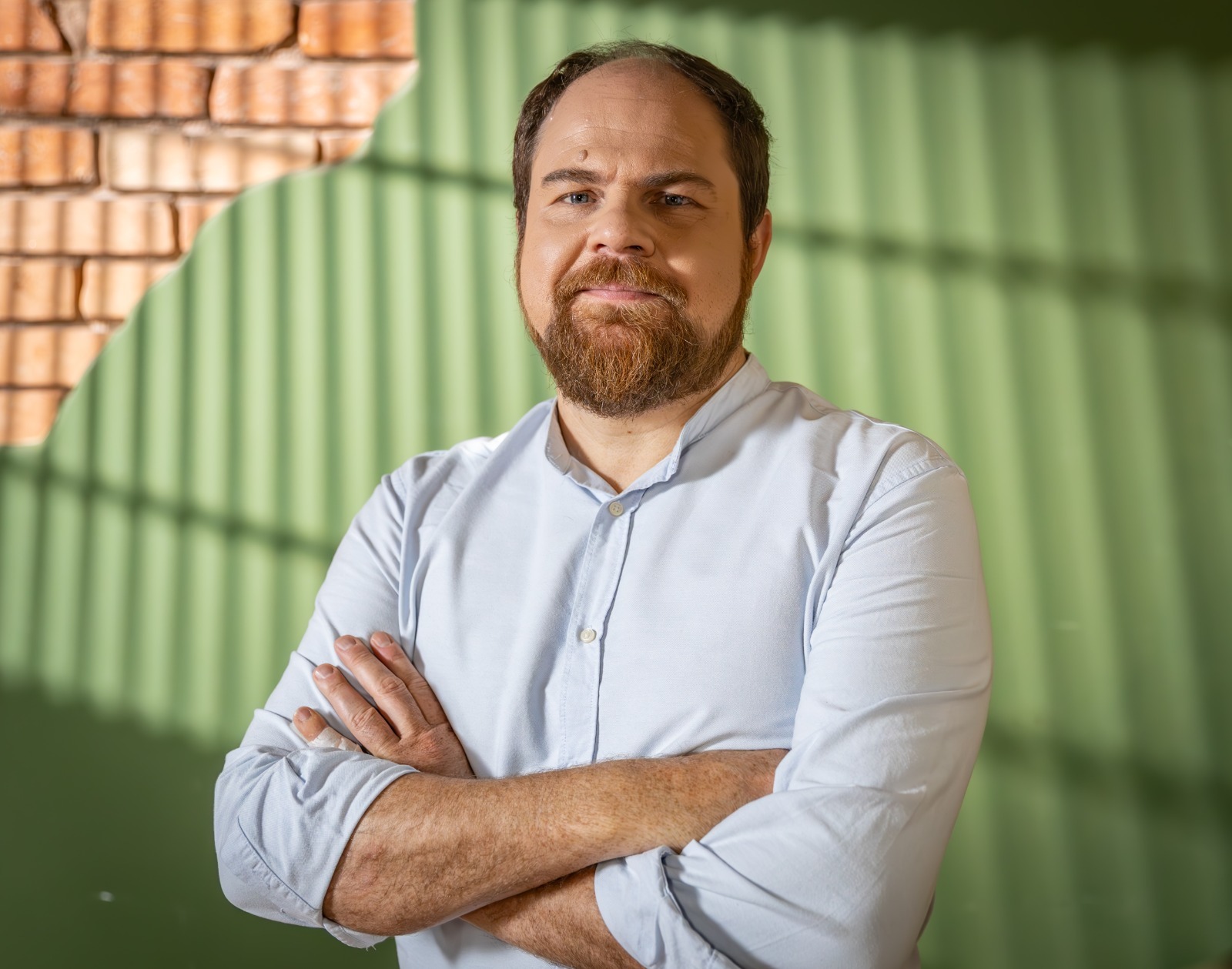
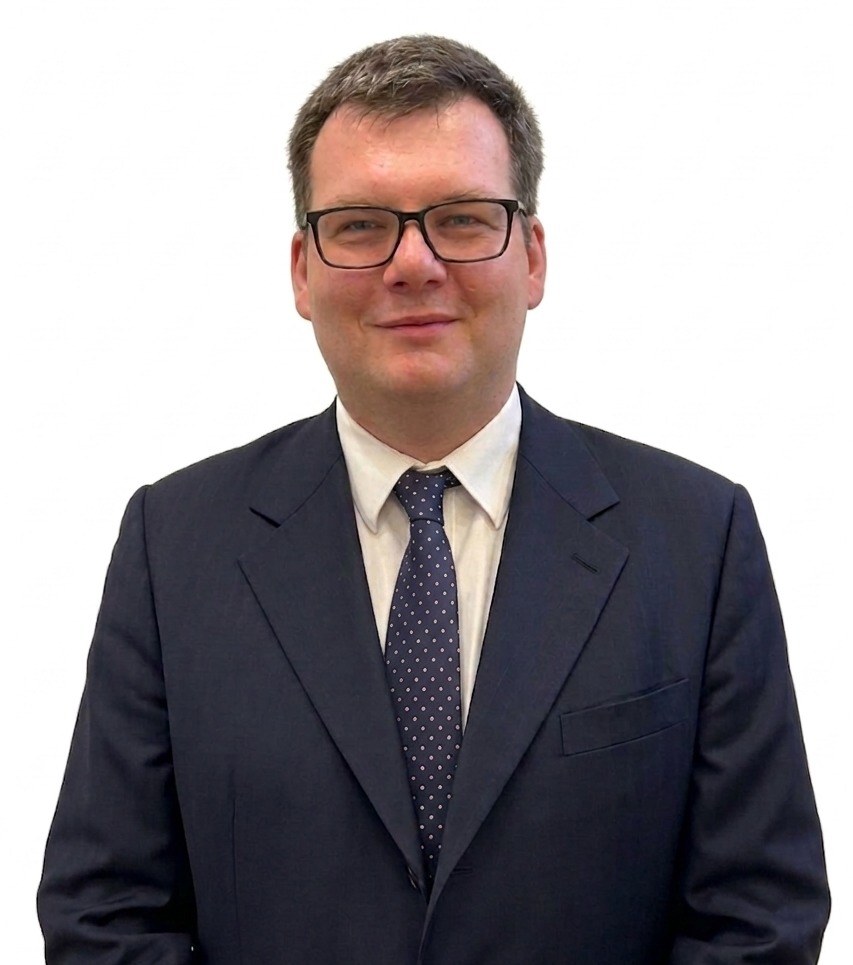
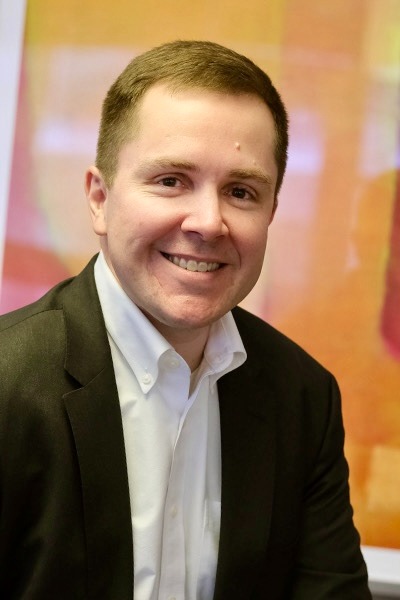
Keynote Speakers
EARTH 2026 is honored to welcome the following keynote speakers to its plenary session.
Registration
EARTH 2026 is organized in a hybrid format, offering participants the flexibility to present their work either onsite in Brașov or online via a dedicated virtual platform.
Participation Fees
| Category | Onsite (EUR) | Online (EUR) |
|---|---|---|
| Standard fee (external participants) | 120 | 70 |
| Transilvania University of Brașov staff (authors) | 80 | 50 |
| Students, Master's and PhD students | 60 | 30 |
IMPORTANT: Before proceeding with the transfer
Please send the following information to earth@unitbv.ro to enable us to issue the invoice:
- Institution Name & Address
- Tax Registration Number (Romanian CUI)
- Surname and Forename
- Billed Amount
Payment Details
For Payment in RON (Romanian Citizens)
Beneficiary: UNIVERSITATEA TRANSILVANIA din BRASOV
Bank: Trezoreria Municipiului Brasov
Fiscal Code (CUI): 4317754
IBAN: RO08TREZ13120F330500XXXX
For Payment in EUR (Foreign Citizens)
Beneficiary: UNIVERSITATEA TRANSILVANIA din BRASOV
Bank Name: Banca Transilvania
Swift Code: BTRLRO22
IBAN EUR: RO23BTRLEURCRT0006359506
Important Dates
All deadlines are at 23:59 (EET – Eastern European Time).
Abstract Submission Deadline
Via the online registration form.
Notification of Acceptance
Registration Fee Payment Deadline
At least one author must be fully registered to ensure publication.
Conference Dates
Full Paper Submission Deadline
Papers should be sent by email to: earth@unitbv.ro
Notification of Final Acceptance
Conference Schedule
EARTH 2026 – 2nd edition
Brașov, 19-20 November, 2026
The detailed program for EARTH 2026 is currently under development.
Travel & Accommodation
How to reach Brașov
The Brașov-Ghimbav International Airport is situated approximately 20 minutes away from the Faculty of Food and Tourism by car.
Brașov is a major railway hub. There are 18 trains daily from Bucharest, plus frequent connections from other cities and daily international links to Budapest and Vienna. Due to affordability and comfort, the train is often the best way to reach us.
Check Timetable →Autogara 1 (at the train station) serves Târgu Mureș and Bucharest every 2 hours. Autogara 2 (Avram Iancu St.) serves Bran and Râșnov every 30–60 minutes.
Accommodation
In Brașov
| Stars | Hotel | Website |
|---|---|---|
| 5★ | Hotel Aro Palace | aro-palace.ro |
| 5★ | Radisson Blu Aurum Hotel | radissonhotels.com |
| 4★ | Hotel Ambient Brașov | hotelambient.ro Download Accommodation Offers (PDF) |
| 3★ | Ambient Pension | pensiuneambient.ro Download Accommodation Offers (PDF) |
In Poiana Brașov Resort (approx. 12 km from the Faculty of Food and Tourism)
| Stars | Hotel | Website |
|---|---|---|
| 4★ | Alpin Resort Hotel | hotelalpin.ro |
| 4★ | Ana Hotels Sport | anahotels.ro/sport |
Partners


Designed for EARTH 2026
